Ever dreamed of feeling the powerful tug of a saltwater fish on your line, but felt intimidated by the ocean's vastness or the complexity of coastal fishing? Trust me, you're not alone. Many aspiring anglers, especially those living in urban or suburban areas, think saltwater fishing is reserved for seasoned pros with expensive boats and gear. But I'm here to tell you that’s simply not true! Inshore saltwater fishing, particularly for a species like the Redfish, is incredibly accessible, immensely rewarding, and perfect for beginners looking for an exciting yet relaxing escape.
Redfish, also known as Red Drum, are a fantastic target for anyone wanting to dip their toes into the saltwater world. They're widespread, aggressive eaters, put up a fantastic fight, and you don't need a fancy boat to find them. This guide is your no-nonsense playbook, designed to get you from curious beginner to confident Redfish angler, armed with the knowledge to catch these bronze beauties from shore, piers, or even a kayak. Let's make your first saltwater adventure a successful one!
Why Redfish? The Perfect Saltwater Start
Why start with Redfish? Honestly, they're the ultimate gateway drug to saltwater fishing. These hardy fish thrive in the shallow, protected waters of bays, estuaries, and tidal creeks – what we call inshore environments. This means you can often reach them from public piers, docks, or easily accessible shorelines. They're not shy; Redfish are notoriously aggressive feeders, making them relatively easier to hook for newcomers compared to some of their more finicky cousins.
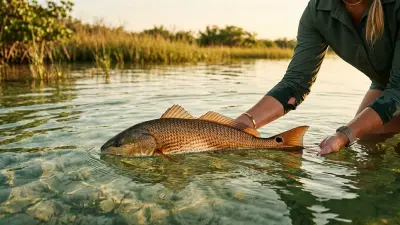
Beyond their accessibility, Redfish are incredible fighting fish. When you hook one, especially a larger one, be prepared for a strong, head-shaking battle that will get your adrenaline pumping! Their distinctive bronze coloration, often with a prominent black spot (or spots!) near their tail, makes them a beautiful sight. They grow to impressive sizes, too, giving you a real sense of accomplishment without needing specialized deep-sea gear. For anyone looking to unwind and enjoy the outdoors, chasing Redfish offers that perfect blend of relaxation and excitement.
Gear Up Right: Your Simple Redfish Arsenal
You don't need to break the bank to get started. For Redfish, a simple yet reliable setup is all it takes. Think of it as your essential toolkit – everything you need, nothing you don't.
Rod & Reel Combo
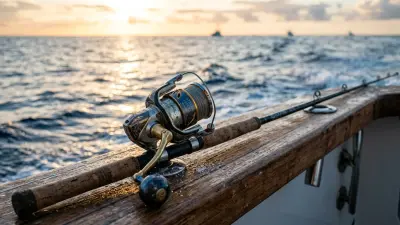
A spinning reel and rod combo is your best friend for inshore Redfish. A spinning reel is an open-faced reel where the line spools off a stationary spool, making it incredibly easy to cast, especially for beginners. I recommend a 6 to 7-foot medium power spinning rod paired with a 2500 to 3000 size spinning reel. This setup offers a great balance of casting distance, power to handle a feisty Redfish, and sensitivity to feel those subtle bites. Many reputable brands offer excellent, budget-friendly combos that are perfect for starting out.
Line & Leader
For your main line, 10 to 20 lb braided line is ideal. Braided line is a thin, strong line made of woven synthetic fibers, offering incredible sensitivity (you'll feel every bump and nibble!) and excellent casting distance. Since Redfish often hang around abrasive structures like oyster beds or docks, you'll want to add a leader. A leader is a shorter, clear section of line tied to the end of your main line, typically 2-3 feet long and made of 20-30 lb monofilament or fluorocarbon. Monofilament is a single-strand nylon line that offers good stretch and knot strength, while fluorocarbon is virtually invisible underwater and very abrasion resistant. The leader protects your main line from nicks and makes your bait less visible to the fish.
Essential Tackle Box
Keep your tackle simple. Here's a quick checklist:
- Circle Hooks: Sizes 1/0 to 3/0 are great for Redfish. These hooks are designed to hook fish in the corner of the mouth, making catch and release much easier and safer for the fish.
- Egg Sinkers: Various sizes (1/4 oz to 1 oz) to help get your bait down.
- Swivels: Barrel swivels help prevent line twist.
- Jig Heads: 1/8 to 1/4 oz. A jig head is simply a weighted hook, perfect for pairing with soft plastic lures.
- Pliers: Essential for removing hooks and cutting line.
- Sunscreen, Hat, and Water: Don't forget personal protection!
Honestly, you can fit all of this into a small, inexpensive tackle box. Simplicity is key to enjoying your time on the water.

Finding the Reds: Where and When to Cast
Knowing where and when to fish is half the battle won. Redfish are creatures of habit, and understanding their preferences will dramatically boost your success.
Inshore Hotspots
Redfish love structure – anything that provides cover, shade, or a food source. Think about where baitfish and crustaceans would hide or feed. Prime Redfish spots include:
- Oyster Bars: These are Redfish magnets. They feed on the organisms living within the oysters.
- Mangrove Edges & Grass Flats: Found in warmer climates, these offer excellent cover and feeding grounds.
- Docks & Pilings: Man-made structures provide shade and ambush points.
- Tidal Creeks & Shallow Flats: As the tide moves, Redfish patrol these areas looking for an easy meal.
When you're scouting for a spot, look for areas with moving water and some form of bottom structure. Public piers and bridges often provide access to these kinds of productive zones.
The Tides and Times
Tides are absolutely critical in saltwater fishing. Redfish are much more active when the water is moving, either incoming or outgoing, as this stirs up food and makes baitfish more vulnerable. Slack tide (the period when the water isn't moving much between tides) is generally the slowest fishing. I remember my first few Redfish trips, I'd just show up whenever. Then an old timer told me to "fish the moving water, son!" and my catch rate exploded. It's a game changer.
Beyond tides, dawn and dusk are often prime feeding times for Redfish, regardless of the tide. The lower light conditions make them feel safer to hunt. But what if the tide isn't moving when you have time to fish? Don't despair! Focus on deeper holes near structure, as fish might congregate there during slower periods. Always check local tide charts before you head out – it's as important as checking the weather.
Bait & Lures: What Redfish Can't Resist
Redfish aren't overly picky, but certain baits and lures are tried-and-true producers. Knowing what to present and how to present it can make all the difference.
Natural Baits
For beginners, natural bait is often the easiest and most effective way to catch Redfish. Top choices include:
- Live Shrimp: This is arguably the universal Redfish candy. Fished under a float (bobber) or on the bottom, live shrimp are irresistible.
- Cut Bait: Pieces of fresh mullet, ladyfish, or blue crab are also excellent. Redfish have a great sense of smell, and the scent trail from cut bait can draw them in from a distance.
When fishing bait, use a simple bottom rig: an egg sinker (or small sliding weight) above a swivel, with a 12-18 inch leader tied to your circle hook. This allows the fish to pick up the bait without feeling the weight, leading to more solid hookups.
Artificial Lures
Once you're comfortable casting, trying lures can be a blast. Soft plastics are incredibly effective. These are flexible plastic lures designed to imitate baitfish or shrimp. Paddle tails rigged on a jig head (1/8 to 1/4 oz) in natural colors like white, chartreuse, or root beer are fantastic. Cast them out and retrieve slowly with a twitching motion, mimicking a wounded baitfish. Gold or silver spoons are another classic Redfish lure, fluttering enticingly as you retrieve them. While not essential for beginners, some anglers love the excitement of a topwater lure, which floats on the surface and creates a commotion that can entice explosive strikes.
Knots for Success
Two knots are really all you need to get started:
- Improved Clinch Knot: This is a versatile knot for tying your leader to hooks, swivels, and most lures. It's strong and relatively easy to learn.
- Palomar Knot: An excellent choice for jig heads and other eye-to-eye connections, known for its exceptional strength and reliability.
Practice these knots at home until you can tie them quickly and confidently. A poorly tied knot is the easiest way to lose a fish of a lifetime!
Casting, Catching, & Conservation: Your First Redfish Trip
Now that you're geared up and know where to look, let's talk about the action and how to make sure you're fishing responsibly.
Simple Techniques
With bait, cast your bottom rig near structure and let it settle. Watch your rod tip for a subtle tap or bend. With a circle hook, don't set the hook like you're trying to yank it out of the water. Instead, just slowly reel in, letting the fish turn and hook itself in the corner of the mouth. For lures, cast, let it sink a bit (depending on the lure), and then retrieve with a steady pace, adding small twitches or pauses to make it look alive. Redfish often hit lures on the pause!
Common Beginner Mistakes to Avoid
Based on my experience, beginners often stumble on a few key things:
- Ignoring Tides: As I mentioned, slack tide is usually slow. Fish the moving water!
- Over-Complicating Gear: Don't buy a ton of stuff you don't need. Keep it simple.
- Not Checking Regulations: Every state has specific size and bag limits, and often a slot limit for Redfish (meaning you can only keep fish within a certain size range). Always know before you go!
- Forgetting a Leader: Braided line directly to a hook is a recipe for break-offs and spooked fish.
- Making Too Much Noise: Redfish in shallow water can be easily spooked. Walk softly, keep voices down.
Avoiding these common pitfalls will significantly increase your enjoyment and success.
Sustainable Fishing Practices
At Fish Hunter, we're passionate about preserving our fisheries for future generations. Redfish are a precious resource, so practicing ethical angling is paramount:
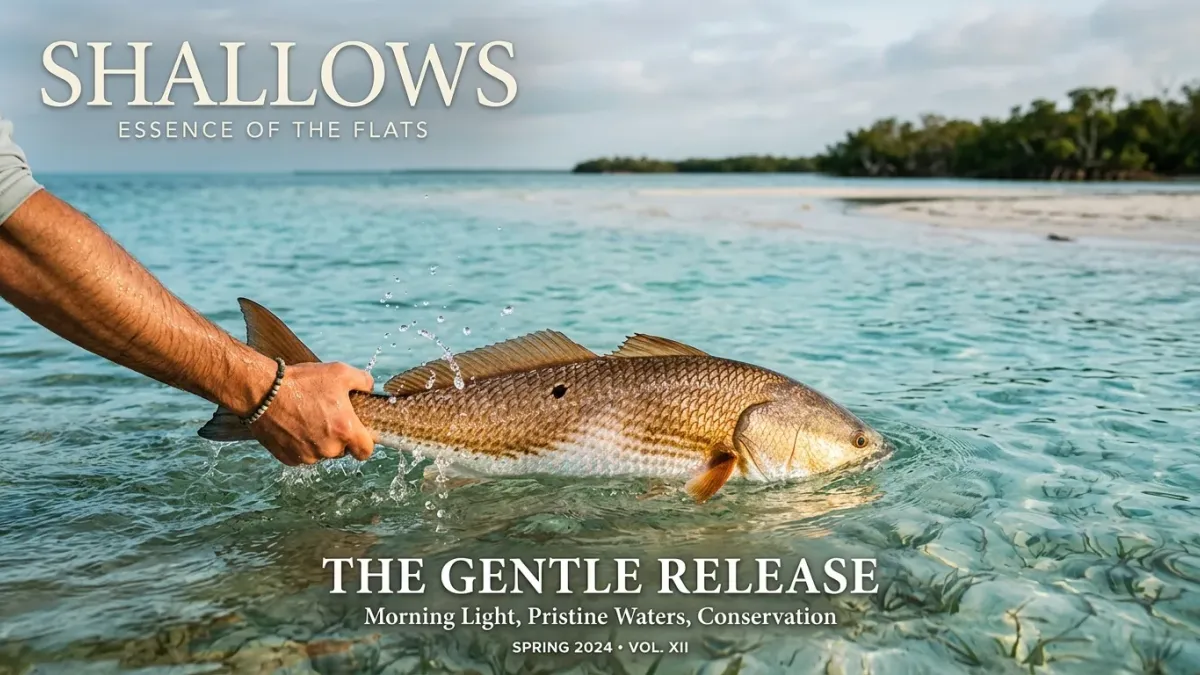
- Catch and Release: If you're not keeping fish, release them quickly and carefully. Handle them with wet hands to protect their slime coat, support their belly, and avoid touching their gills.
- Barbless Hooks: Consider crimping down the barbs on your hooks (making them barbless hooks) or buying barbless. They make releasing fish much easier and cause less harm.
- Respect Size and Bag Limits: Always adhere to local regulations. These rules are in place to ensure fish populations remain healthy.
- Leave No Trace: Pack out everything you pack in. Let's keep our fishing spots clean and beautiful.
Quick "What to Do This Weekend" Takeaway
Ready to get started? This weekend, find a local bait and tackle shop near an inshore saltwater area. Grab a 6-7 ft medium spinning combo, some 15 lb braided line, a spool of 25 lb monofilament leader, a pack of 2/0 circle hooks, a few 1/2 oz egg sinkers, and a small pack of live shrimp. Check the tide charts, head to a public pier or dock an hour or two before or after a tide change, and cast your shrimp-laden hook into the current. You might just catch your first Redfish!
Catching Redfish is more than just reeling in a fish; it's about connecting with nature, enjoying the peace of the water, and experiencing the thrill of the chase. With this beginner's playbook, you're now equipped with the knowledge to make your first inshore saltwater fishing trip a memorable success. So, grab your gear, find your spot, and get ready to feel that distinctive Redfish tug. Tight lines!