
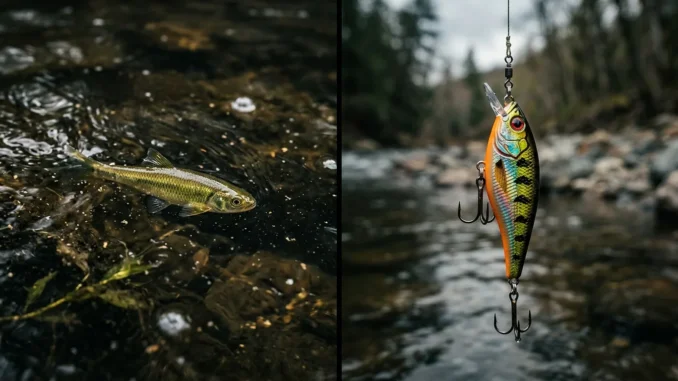
The Age-Old Question: Live Bait or Artificial Lures?
You’ve got your rod, your reel, and that hopeful glint in your eye. You’re ready to hit the water, but then the classic dilemma hits: should you rig up with a squirming live worm, or tie on that shiny, realistic-looking crankbait? This isn’t just a matter of preference, my friend; it’s a strategic decision that can make or break your day on the water. After more than two decades of fishing everything from urban ponds to offshore reefs, I can tell you there’s no single “best” option. Instead, it’s all about understanding when and why to choose one over the other for maximum success.
For us busy folks looking for that relaxing escape, making the right choice quickly means more time enjoying the tug on the line and less time wondering if you’re doing it wrong. Let’s dive deep into the strengths of both live bait and artificial lures, so you can confidently pick the winning ticket every time you cast out.
The Undeniable Power of Live Bait
There’s a reason live bait has been used for millennia: it simply works. Fish are opportunistic predators, and when something smells, moves, and tastes like their natural food, it’s incredibly hard for them to resist. Live bait offers an unmatched level of realism that no artificial lure, however well-crafted, can truly replicate.
Think about it: a wriggling worm, a struggling minnow, or a juicy shrimp. These baits are alive, they emit natural scents, and their erratic movements are exactly what a hungry fish is programmed to respond to. This makes live bait particularly effective when fish are finicky, during tough bite conditions, or for beginners who are still learning how to “work” a lure effectively. You just cast it out, wait, and let nature do its thing. It’s also incredibly effective for a wide range of species, from freshwater favorites like Largemouth Bass, Trout, and Catfish to saltwater staples like Snapper and Redfish.
When Live Bait Shines Brightest:
- Fussy Fish & Slow Bites: When fish aren’t actively feeding or are pressured, the natural appeal of live bait can entice even the most hesitant fish.
- Beginner-Friendly: Less technique required. Just rig it up and let the bait do the work. A simple setup with a 6-7 ft medium spinning rod and a 2500-3000 size reel, spooled with 6-10 lb monofilament line, is perfect for live bait.
- Targeting Bottom Feeders: Species like catfish, carp, or flounder often prefer to sniff out a stationary, natural offering on the bottom.
- Natural Presentation: It moves and behaves like the real thing, without you having to impart any action.
- Scent Trail: The natural oils and distress signals from live bait create a potent scent trail in the water, drawing fish in from a distance.
However, live bait does have its downsides. It can be messy, harder to store and transport, and often more expensive. Plus, sometimes it’s too effective, leading to smaller, unwanted fish pecking away at your offering.
The Versatility and Thrill of Artificial Lures
Now, let’s talk about artificial lures. If live bait is about natural realism, then lures are about replication and provocation. Lures are designed to mimic baitfish, insects, or other prey through their shape, color, vibration, and movement. What they lack in natural scent, they make up for in versatility and the ability to cover vast amounts of water quickly.
Fishing with lures is often a more active and engaging experience. You’re not just waiting; you’re casting, retrieving, twitching, and pausing, actively trying to trigger a strike. This allows you to explore different depths and presentations, making lures incredibly effective for locating active fish. For example, a fast-retrieved crankbait can quickly tell you if fish are active in a certain area, while a carefully worked soft plastic might tempt a sluggish fish hiding in cover.
When Artificial Lures Are Your Best Bet:
- Covering Water: If you’re searching for active fish in a large area, lures allow you to cast repeatedly and quickly retrieve, searching different depths and sections of the water.
- Aggressive Fish: When fish are actively feeding, lures can trigger powerful reaction strikes. Think about the explosive blow-ups on a topwater lure for bass!
- Targeting Predatory Species: Pike, Walleye, many types of bass, and numerous saltwater species are often aggressive hunters that readily strike at a well-presented lure.
- Specific Presentations: Lures come in countless forms, allowing you to mimic specific baitfish, insects, or even frogs. This lets you “match the hatch” more precisely.
- Cleanliness & Convenience: No messy bait, no special storage. Just grab your tackle box and go! This is a huge plus for apartment dwellers or office workers hitting the water after work.
The challenge with lures? They require skill and practice. You need to learn how to choose the right lure for the conditions, how to tie reliable knots like the Improved Clinch Knot or Palomar Knot, and how to retrieve it effectively to imitate natural prey. But the reward, the thrill of fooling a fish with your own skill, is incredibly satisfying.
Making the Smart Choice: When to Pick Which
So, how do you decide which to use on your next trip? It comes down to several key factors, and honestly, the best anglers are those who are willing to adapt. Based on my experience, here’s a breakdown:
1. Water Clarity & Temperature:
- Clear Water: Fish rely heavily on sight. Lures that mimic natural prey and have realistic colors often work best. But if fish are spooky, a natural live bait presented subtly can also be deadly.
- Murky Water: Scent becomes paramount. Live bait excels here, as fish use their sense of smell to locate food. Lures with strong vibrations or rattles (like a lipless crankbait) can also be effective by creating a disturbance.
- Cold Water: Fish are often sluggish. Live bait, or slow-moving artificial presentations (like a jig with a soft plastic), are usually more effective.
- Warm Water: Fish are more active and aggressive. Both live bait and fast-moving lures can work wonders.
2. Target Species & Their Mood:
This is probably the most critical factor. Are you after trout in a stream, catfish in a river, or snapper on a pier? Different species have different feeding habits.
For example, imagine this situation: It’s a hot summer afternoon, and you’re fishing for bass in a local pond. You’ve been casting a flashy spinnerbait for an hour with no luck. Suddenly, you see a small disturbance near a lily pad. What would you do in this situation? My advice: switch! Tie on a weedless rigged soft plastic worm, or even better, rig up a live worm on a simple hook and cast it right into that cover. The natural presentation and scent might be just what those finicky bass need when they’re hiding from the sun.
Conversely, if you’re chasing active Pike in a larger lake, a big, brightly colored spoon or a swimming hard bait will cover more water and provoke those predatory strikes far better than a stationary live bait. Always consider what your target fish are likely feeding on and how aggressive they are.
3. Your Fishing Style & Experience:
Are you a beginner who wants to relax and wait for a bite? Live bait is your friend. Are you an intermediate angler looking to hone your skills and actively hunt fish? Lures offer that engaging challenge. Don’t be afraid to experiment with both!
Mastering Both: Tips for Maximum Success
The real secret weapon isn’t choosing one over the other permanently; it’s knowing when to switch and even how to combine them. Here are a few final tips from your trusted fishing buddy:
- Tip Your Lures: Sometimes, the best of both worlds is to add a small piece of live bait (like a worm piece or a minnow head) to a jig or an artificial grub. This adds scent and a little extra wiggle to your artificial presentation.
- Observe & Adapt: Pay attention to what the fish are doing. Are they actively chasing? Are they hunkered down? Let the fish tell you what they want. If one isn’t working, don’t be stubborn—switch it up!
- Start Simple: If you’re just getting into lures, begin with versatile options like soft plastic worms (Texas-rigged for bass) or simple inline spinners for panfish. For live bait, good old worms are always a winner.
- Practice Makes Perfect: Learning to effectively retrieve different lures takes time. Don’t get discouraged if you don’t catch fish on your first few attempts. Keep practicing different retrieves, and you’ll soon develop that “feel.”
Common Mistakes to Avoid
- Being Stubborn: Sticking to one method when it’s clearly not working is a common beginner mistake. Be willing to change!
- Overcomplicating Lures: Don’t buy every lure under the sun. Start with a few versatile options and learn to use them well.
- Improper Live Bait Storage: Dead or unhealthy bait won’t attract fish. Keep your live bait cool, aerated, and fresh.
What to Do This Weekend: Your Takeaway!
So, what’s your actionable plan for this weekend? Grab a small container of live worms and a couple of basic artificial lures – maybe a chartreuse grub and a small spinnerbait. Head to your local lake or pond. Start with the live bait, relax, and see if you get some bites. If things are slow, or if you feel like being more active, switch to a lure and try covering different areas. Pay attention to what works! Remember, fishing is all about learning, adapting, and most importantly, enjoying the peace and thrill of the outdoors.
Whether you’re after the simplicity of live bait or the challenge of lures, both offer incredible opportunities to connect with nature and reel in some fantastic memories. The folks at Fish Hunter are always here to help you make the most of your time on the water, no matter your experience level.
Leave a Reply