
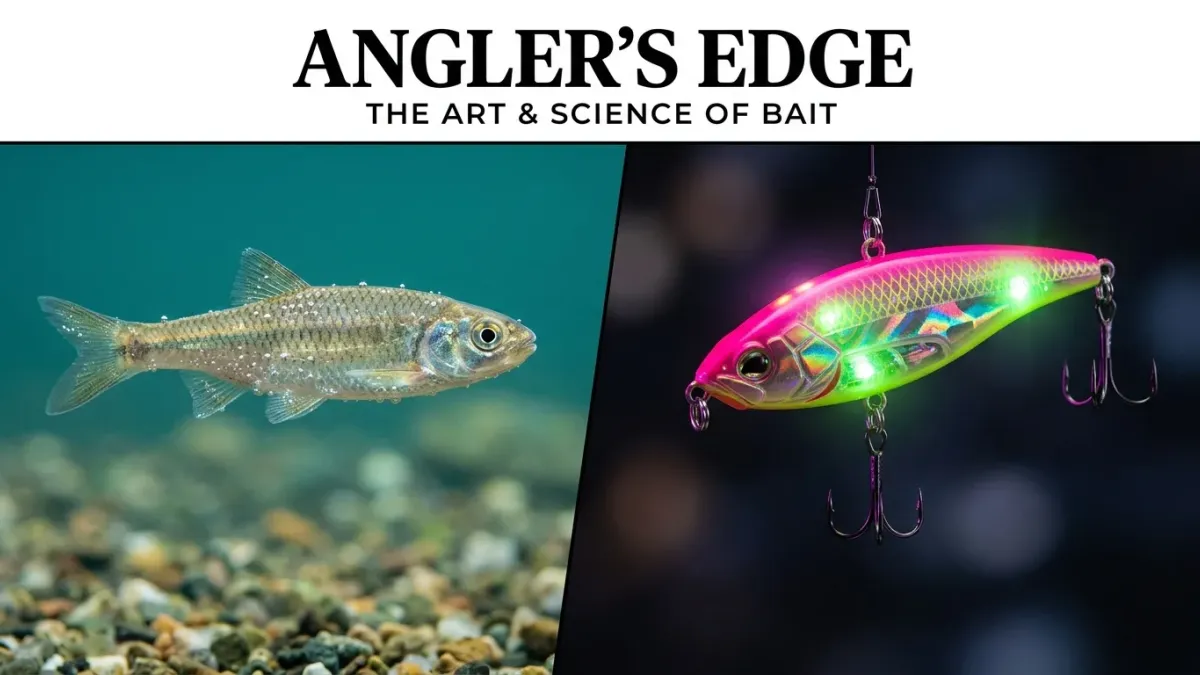
Decoding the Age-Old Dilemma: Live Bait or Artificial Lures?
You’ve got your rod, your reel, and you’re ready to hit the water. But then comes the classic question that can stump even seasoned anglers, let alone those just starting out: should I use live bait or artificial lures? Honestly, this isn't just a matter of preference; it's a critical decision that can dramatically impact your catch rate, the types of fish you target, and even how much fun you have. As your fishing buddy of over two decades, I’ve been in countless situations where choosing the right option made all the difference.
For those of you looking for a relaxing hobby or a weekend escape, navigating this choice can feel overwhelming. But don't worry, it's simpler than it seems once you understand the core principles. By the end of this guide, you’ll know exactly when to reach for a wriggling worm and when to tie on a flashy lure, ensuring you spend less time guessing and more time reeling in fish. Let's dive into the strengths and weaknesses of each.
The Undeniable Appeal of Live Bait: Nature's Best Offering
There’s a reason live bait has been effective for millennia: it's what fish eat naturally! Live bait brings a combination of natural scent, taste, and movement that artificial lures can only attempt to replicate. For many species, especially those that are wary or in tough conditions, nothing beats the real thing. It’s often the go-to choice for beginners because it requires less active technique – the bait does most of the work for you.
Why Live Bait Excels:
- Irresistible Scent & Taste: Fish use their sense of smell and taste extensively. Live bait, like a juicy nightcrawler or a lively minnow, constantly emits natural pheromones and delicious odors that trigger a fish's feeding instincts.
- Natural Movement: A struggling worm, a darting minnow, or a shrimp scuttling along the bottom looks and acts exactly like what a fish would naturally pursue. This subtle, lifelike action can entice even the most lethargic fish.
- Broader Appeal: Live bait often appeals to a wider variety of fish species in a given area. You might be targeting Bass with a minnow, but a hungry Perch or Catfish might strike it too.
- Beginner-Friendly: Often, all you need to do is present live bait correctly and wait. You don't need complex retrieve patterns or specific lure actions. Just cast it out, wait for a bite, and set the hook!
Common examples of effective live baits include classic nightcrawlers or red worms for species like Largemouth Bass, Trout, Catfish, and various panfish. In saltwater, shrimp, fiddler crabs, or small baitfish like pilchards are deadly for Snapper, Redfish, and Flounder. You can often buy these at local bait shops, making them easily accessible.
The Strategic Art of Artificial Lures: Precision and Predation
While live bait relies on natural appeal, artificial lures are all about mimicking prey through design, color, and your active manipulation. Using lures turns fishing into a more interactive, almost hunting experience. It allows you to cover vast amounts of water quickly, target specific depths, and imitate various forage types with incredible precision. This is where your skill and understanding of fish behavior really shine.
Why Artificial Lures Shine:
- Targeted Approach: Lures are designed to imitate specific prey items (e.g., a minnow, a crawfish, an insect) and to perform at specific depths. This allows you to "match the hatch" – using a lure that resembles what the fish are currently feeding on.
- Covering Water: With lures, you can cast repeatedly and retrieve quickly, covering a lot of ground in a short amount of time. This is invaluable when fish are scattered or actively hunting.
- Exciting Strikes: There’s nothing quite like the jolt of a fish aggressively hitting a lure you're actively working. It's a very engaging way to fish.
- Convenience & Durability: No need to keep bait alive, cool, or clean. Lures are always ready, durable, and can be reused countless times.
There's a vast world of artificial lures. Crankbaits are hard-bodied lures that dive to specific depths, great for covering water and imitating baitfish. Soft plastics, like worms, grubs, or creature baits, offer incredible versatility and a lifelike feel, often fished close to the bottom for Bass or Walleye. Then there are topwater lures – plugs or poppers that create commotion on the surface, triggering explosive strikes from predatory fish like Pike or Largemouth Bass, especially during low light conditions.
When to Choose Live Bait for Guaranteed Bites
So far we covered the general benefits. Now let's get to the really critical point: when does live bait truly outperform lures? Based on my experience, there are several scenarios where live bait is the undisputed champion, especially for beginners or when conditions are tough.
Ideal Scenarios for Live Bait:
- Cold Water Conditions: In colder water, fish metabolisms slow down. They’re less likely to chase a fast-moving lure. A slow-moving, natural live bait is often too tempting to resist. This is particularly true for Trout in early spring or late fall.
- Picky or Finicky Fish: Sometimes, fish are just not in an aggressive mood. Maybe they’ve been pressured, or perhaps they’re full. A live bait’s natural presentation can often coax a bite when lures fail. Imagine this situation: you've been casting a shiny crankbait for an hour without a nibble. You switch to a simple hook and a lively nightcrawler, cast it near that submerged log, and suddenly, you feel that familiar tug. It happens more often than you think!
- Clear Water: In very clear water, fish have excellent visibility and can easily discern unnatural presentations. Live bait looks, smells, and acts like the real deal, making it less suspicious.
- Targeting Bottom Feeders: Species like Catfish, Carp, and even some types of Panfish spend a lot of time rooting around on the bottom. Live worms, chicken liver, or corn presented on the bottom are incredibly effective.
- Beginners Learning the Ropes: If you're new to fishing, live bait allows you to focus on the basics of casting, feeling bites, and setting the hook without the added complexity of lure presentation. A simple setup with a 6-7 ft medium spinning rod paired with a 2500-3000 size reel, spooled with 6-12 lb monofilament line, a bobber, and a hook, is all you need for live bait success.
When Artificial Lures Become Your Secret Weapon
While live bait is a consistent producer, there are definitely times when artificial lures are not just better, but essential for success. This is where you can really elevate your fishing game and target specific, aggressive fish.
Prime Times for Artificial Lures:
- Aggressive, Actively Feeding Fish: When fish are on the hunt, a properly presented lure can trigger a reaction strike like nothing else. Think of Bass during their spring spawn or Pike in a summer feeding frenzy. They're looking for a meal, and a fast-moving lure can perfectly imitate fleeing prey.
- Covering Large Areas: If you’re fishing a big lake, a long river stretch, or an unfamiliar coastline, lures allow you to cast and retrieve quickly, searching for active fish. Instead of waiting for fish to come to your bait, you take the bait to the fish.
- Targeting Predatory Fish: Species like Largemouth Bass, Smallmouth Bass, Pike, Walleye, and many saltwater game fish (e.g., Snapper, Barracuda) are highly visual and respond incredibly well to lures that mimic their preferred prey. Using a 10-20 lb braided line with a fluorocarbon leader is often ideal for lure fishing, offering strength and sensitivity.
- Fishing Specific Depths: Need to fish 20 feet down in open water? A diving crankbait or a jig can get there precisely and quickly. Trying to entice a strike off a specific structure? A soft plastic worm rigged Texas-style can be worked through snags where live bait might get lost.
- Catch and Release Fishing: Many anglers prefer lures for catch and release because fish often swallow live bait, leading to deeper hooking and higher mortality rates. Lures typically hook fish in the lip or mouth, making release easier and safer. Using barbless hooks with lures further minimizes harm.
Common Mistakes to Avoid, Regardless of Your Choice
Whether you choose live bait or lures, a few common mistakes can hinder your success. Let me add something here: even the best bait or lure won't work if you're not paying attention to the details!
- Not Matching the Hatch: This means using bait or a lure that doesn't resemble what fish are naturally feeding on. If they're eating small minnows, don't throw a giant crawfish lure.
- Ignoring Water Conditions: Water clarity, temperature, and current all dictate what fish are doing and what they'll bite. Adjust your choice accordingly.
- Using the Wrong Size: A tiny hook with a huge worm, or a giant lure for small panfish, just won't work. Match your bait/lure size to the likely size of your target fish.
- Lack of Patience (with live bait) or Variation (with lures): With live bait, you often need to let it sit. With lures, if one retrieve isn't working, try another! Vary speed, pauses, and twitches.
- Forgetting Sustainable Practices: Always respect size and bag limits, and consider catch and release for species not intended for dinner. This ensures healthy fish populations for everyone.
Your Weekend Fishing Takeaway: What to Do This Weekend
So, what should you grab for your next fishing trip this weekend? It boils down to a simple assessment:
- If you’re a beginner, want to relax, or fish for panfish, trout, or catfish: Start with live bait. A simple container of worms, a bobber, and a hook will give you a high chance of success and a relaxing experience.
- If you’re looking to target aggressive bass, pike, or saltwater predators, or want a more active fishing experience: Grab a few versatile artificial lures. A small selection of soft plastic worms, a diving crankbait, and maybe a topwater popper will cover a lot of ground.
Ultimately, the best approach is often to bring both! Start with what you think is best for the conditions and your target species, but don't be afraid to switch if one isn't producing. Fishing is about adapting, learning, and most importantly, enjoying the outdoors. Happy fishing, fellow Fish Hunter!