
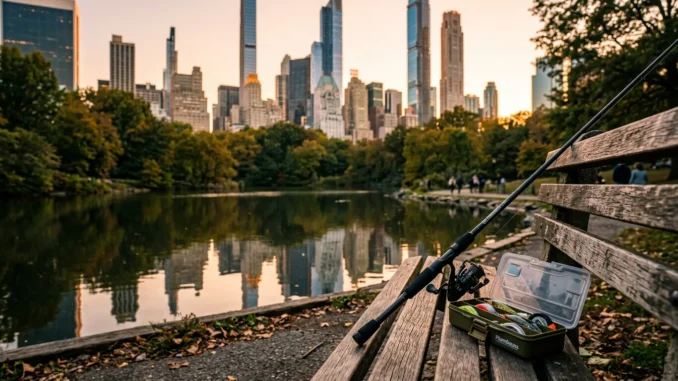
Unlock Your City’s Secret Fishing Spots: The Joy of Urban Ponds
Living in the city doesn’t mean you have to travel hours to wet a line. In fact, some of the most accessible and rewarding fishing spots are right under your nose: the quiet ponds nestled within your local city parks. As someone who’s spent over two decades exploring everything from coastal piers to hidden river bends, I can tell you there’s a unique satisfaction in discovering these urban oases. They offer a fantastic, low-stress escape for busy office workers, apartment dwellers, and complete beginners looking to embrace fishing as a relaxing hobby. Forget the complicated setups; we’re going to make this simple, fun, and successful.
Imagine this situation: It’s Saturday morning, you’ve got a couple of hours free, and instead of battling traffic to get to some far-off lake, you’re strolling to a park just a few blocks away. Within minutes, your line is in the water, the sun is on your face, and the city sounds fade into the background. That’s the magic of urban pond fishing. It’s accessible, often productive, and an incredible way to connect with nature without leaving the postcode. So, let’s dive into how you can make this your new favorite weekend routine.
The Urban Angler’s Essential Gear Bag: Keep It Light, Keep It Productive
When you’re fishing urban ponds, simplicity is your best friend. You don’t need a boatload of expensive gear. What you do need is smart, efficient, and easy to carry. Based on my experience, the right basic setup will serve you well for 90% of what urban ponds have to offer.
Rod & Reel Combo: Keep It Simple, Keep It Light
For urban pond fishing, a versatile spinning combo is the undisputed champion for beginners. A spinning reel is essentially an open-faced reel where the spool remains stationary and the bail arm rotates around it to wind the line, making it incredibly easy to cast with light lures and baits. I highly recommend a 6 to 7-foot medium-action spinning rod paired with a 2500 to 3000 size spinning reel. This setup is light enough for panfish like bluegill and perch, yet has enough backbone to handle a surprising largemouth bass or even a catfish. It’s an excellent all-rounder that won’t break the bank.
Look for combos from brands like Ugly Stik, Shimano, or Daiwa; they offer reliable entry-level options. The medium action of the rod means it bends well with lighter fish but still has power for bigger ones. This balance is crucial for sensitivity to detect bites and strength to reel in your catch. Honestly, this combo is probably the most practical purchase you’ll make when starting out, fitting perfectly into the “easy, fun, successful” ethos we champion at Fish Hunter.
Line, Hooks, & Weights: The Small Stuff That Makes a Big Difference
When it comes to line, monofilament line (often just called “mono”) is perfect for beginners. It’s forgiving, easy to tie knots with, and has a good amount of stretch, which helps absorb sudden lunges from fish. For urban ponds, a 6 to 10-pound test monofilament line is ideal. If you’re targeting bigger species like catfish or larger bass, bumping up to 12-pound mono is a good idea. Later, as you gain confidence, you might explore braided line, which is made of multiple strands woven together, offering superior strength for its diameter and no stretch, making it incredibly sensitive to bites. But for now, stick with mono.
Your tackle box essentials should include a variety of hooks (size 6 to 1/0 are great all-rounders), small split-shot weights to help your bait sink, and a few small bobbers (also known as floats) to suspend your bait at a desired depth and signal bites. Don’t forget a small pair of pliers or forceps for hook removal, a pair of scissors or nail clippers for cutting line, and a small net for landing fish.
Bait & Lures: What Ponds Love
Urban pond fish are often not picky eaters, which is fantastic for beginners! For live bait, nothing beats live worms (nightcrawlers) – they are universal fish magnets, especially for bass, perch, and bluegill. Small pieces of hot dog, corn, or bread can also be surprisingly effective for panfish and catfish. For lures, start with simple, effective options: small soft plastic worms or grubs rigged on a jig head, small spinnerbaits, or even a classic Mister Twister grub. These lures imitate small baitfish or insects and are excellent for targeting species like Largemouth Bass and Perch.
To be fair, sometimes a simple jig-and-grub combo can outperform a tackle box full of expensive crankbaits. For example, a 1/8 oz jig head with a 2-inch chartreuse grub can be absolutely deadly for panfish and smaller bass. Keep it light, keep it simple.
Finding Your Urban Oasis: Spotting the Best Ponds & Timing Your Cast
Not all city park ponds are created equal, but many hold surprising treasures. A little reconnaissance can go a long way.
Reading the Water: Where the Fish Hide
When you arrive at a pond, don’t just cast anywhere. Look for signs of fish activity and structure. Structure refers to anything in the water that provides cover or ambush points for fish, such as fallen trees, lily pads, docks, submerged rocks, or even culverts. Fish love cover because it offers protection from predators and a place to ambush prey. Also, observe the water’s surface for any ripples or splashes – these could be fish feeding.
The edges of weed beds, shaded areas under bridges, or even the aerators (fountains) in some ponds can be fish magnets. These spots often concentrate baitfish, which in turn attracts larger predatory fish like Largemouth Bass or Pike. Take a walk around the pond first, observe, and plan your approach. Honestly, this step is often overlooked but it’s one of the most critical for consistent success.
Timing is Everything: When to Cast Your Line
Fish activity varies throughout the day and with the seasons. Generally, the best times to fish urban ponds are during the early morning hours (dawn to a couple of hours after sunrise) and again in the late afternoon/early evening (a few hours before sunset). These are often when fish are most actively feeding and less wary.
Seasonal patterns also play a big role:
- Spring: Fish are often shallow, especially during their spawning periods. Look for them in warmer, shallower coves. This is a great time for an active feeding frenzy as they recover from winter.
- Summer: As temperatures rise, fish might move to deeper, cooler waters or seek shade under docks and trees. Early mornings and late evenings are key.
- Fall: Another excellent time! Fish are in a feeding frenzy, bulking up for winter. They’re often aggressive and can be found in a variety of depths.
- Winter: Fishing can be slower, but not impossible. Fish are less active and often hold in deeper sections of the pond.
Knowing these basic patterns will dramatically improve your chances, regardless of where you are in the world.
Mastering the Cast & Catch: Simple Techniques for Success
You’ve got your gear, you’ve found your spot. Now, how do you get that bait out there and reel in a fish?
The Basic Cast: Getting Your Bait Out There
For spinning gear, the most fundamental cast is the overhead cast. Hold the rod with your dominant hand, about 12-18 inches from the reel. With your index finger, hook the line just above the reel. Open the bail (the metal arm on the reel). Point the rod tip towards your target, bring the rod up over your shoulder, then smoothly snap it forward, releasing the line with your index finger as the rod comes forward. Close the bail immediately after the lure hits the water. Practice makes perfect, and soon you’ll be hitting your spots with ease.
For knots, the Improved Clinch Knot is a must-know for tying your hook or lure to your line. It’s strong and relatively easy to learn. If you’re using lures with a swivel or snap, the Palomar Knot is another incredibly strong and reliable option. Both are excellent choices for beginners.
The Retrieve & Hookset: Feeling the Bite
Once your bait or lure is in the water, you need to retrieve it to make it look appealing to fish. For live bait under a bobber, you simply wait for the bobber to dip or move. For lures, a slow, steady retrieve is often a great starting point. Try varying your retrieve speed or adding small twitches to mimic a struggling baitfish. The key is to experiment.
When you feel a tug or see your bobber disappear, that’s a bite! Don’t just reel; you need to “set the hook.” This means giving a quick, firm upward sweep of your rod to drive the hook securely into the fish’s mouth. After the hook is set, keep steady pressure on the fish, reel consistently, and let your rod’s flex do the work. Avoid jerking or reeling too fast, which can pull the hook out. It’s exhilarating when you feel that first fish pull back!
Common Urban Pond Pitfalls & How to Dodge Them
Every angler, even those of us with years under our belt, faces challenges. Knowing the common ones in urban settings can save you a lot of frustration.
Tangled Lines & Snags: Your Worst Enemies
Tangled lines (often called “bird’s nests” on baitcasters, though less common on spinning reels) and snags are probably the most common beginner frustrations. To avoid tangles, don’t overfill your reel with line, and always close the bail manually after a cast instead of letting the reel do it automatically. When a snag occurs (your line gets stuck on something underwater), don’t just pull hard. Try wiggling the rod, changing the angle, or even walking around the snag if possible. Sometimes, a gentle but steady pull will free it. If not, it’s better to break off the line than to damage your rod.
Another common mistake is casting too close to heavy cover, which increases the chance of snagging. Start by casting into open water and gradually move closer to structure as your casting accuracy improves. Patience here is a virtue, my friend.
Respecting Your Urban Fishery: Sustainable Practices
Urban ponds are shared resources, and responsible fishing ensures they remain enjoyable for everyone. Always practice catch and release, especially for larger fish, unless you know the pond’s regulations explicitly permit keeping fish and you plan to consume them. Using barbless hooks (or simply pinching down the barb on your existing hooks with pliers) makes releasing fish much easier and less harmful. Always handle fish gently with wet hands, and release them quickly.
Beyond the fish, remember to leave no trace. Pack out all your trash, including discarded fishing line and bait containers. Check local regulations for any size limits, catch limits, or specific rules for the pond you’re visiting. A healthy fishery means more fish for everyone, for years to come.
Your Next Adventure is Just Around the Corner!
Urban pond fishing offers a unique blend of convenience, relaxation, and the thrill of the catch. It’s a perfect entry point into the world of angling, proving that you don’t need to be in the wilderness to experience the joy of fishing. With a simple setup, a bit of local knowledge, and an understanding of basic techniques, you’ll be reeling in fish in no time.
So, what are you waiting for? This weekend, grab that affordable 6-7 foot spinning combo, a pack of worms, and check out your nearest city park with a pond. You might just discover your new favorite escape, a hidden gem right in the heart of your bustling city. Happy hunting, Fish Hunter!
Leave a Reply