
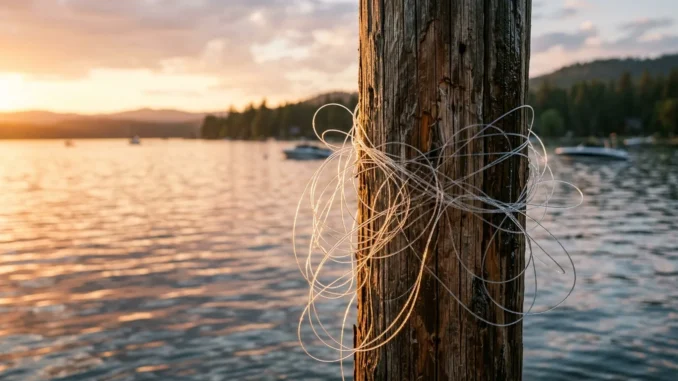
Introduction to Tangle-Free Fishing
Fishing is a great way to relax and enjoy the outdoors, but it can quickly become frustrating when you’re dealing with tangled lines. Tangles can ruin an otherwise perfect fishing trip, causing you to lose valuable time and potentially even break your gear. But what would you do in this situation? For example, imagine this scenario: you’re out on the lake, waiting for a bite, when suddenly your line gets tangled in a mess of knots. You try to untangle it, but it only seems to get worse. Honestly, it’s a nightmare that many anglers have faced at some point.
Based on my experience, I believe that preventing tangles is key to a successful and enjoyable fishing trip. In this guide, we’ll cover the common causes of line tangles, provide quick fixes for when they do happen, and offer prevention tips to keep your line running smoothly.
Common Causes of Line Tangles
So, what causes line tangles in the first place? There are several common culprits, including poor line management, incorrect knot tying, and insufficient line maintenance. When you’re not paying attention to your line, it can easily get tangled around obstacles like trees, rocks, or even your own feet. Additionally, if you’re using the wrong type of line or not maintaining it properly, it can become brittle and prone to tangling.
Let me add something here: the type of line you use can also play a big role in preventing tangles. For instance, braided line is generally less prone to tangling than monofilament line, but it can be more expensive. On the other hand, monofilament line is often cheaper and easier to work with, but it may require more maintenance to prevent tangles.
Line Types and Tangle Prevention
To minimize the risk of tangles, it’s essential to choose the right line for your fishing needs. Here are some factors to consider when selecting a line:
- Line material: Braided, monofilament, or fluorocarbon
- Line strength: 6-12 lb for beginners, 10-20 lb for bigger fish
- Line diameter: Thicker lines are less prone to tangling, but may be more visible to fish
For example, if you’re fishing for Largemouth Bass in a lake, you may want to use a medium-strength monofilament line with a diameter of around 0.015 inches. This will provide a good balance between strength and visibility.
Quick Fixes for Tangled Lines
Despite your best efforts, tangles can still happen. When they do, it’s essential to know how to fix them quickly and efficiently. Here are some step-by-step instructions for fixing common line tangles:
- Cut the tangled section of line, if possible
- Use a line stripper to remove any remaining tangles
- Re-tie the knot, making sure to leave enough slack in the line
To be fair, fixing tangles can be frustrating, but it’s a crucial part of fishing. By staying calm and following these steps, you can get back to fishing in no time.
Troubleshooting Common Tangle Scenarios
But what would you do in this situation: you’re fishing with a spinning reel and your line gets tangled around the reel itself? In this case, you’ll need to carefully remove the tangled line from the reel, taking care not to damage the reel or the line. It’s also a good idea to check your reel regularly for any signs of wear or damage, as this can help prevent tangles from occurring in the first place.
Honestly, preventing tangles is all about being proactive and taking the time to maintain your gear. By following these tips and staying vigilant, you can minimize the risk of tangles and enjoy a more successful and enjoyable fishing trip.
Conclusion and Final Tips
So far, we’ve covered the common causes of line tangles, provided quick fixes for when they do happen, and offered prevention tips to keep your line running smoothly. Now, let’s get to the really critical point: putting these tips into practice. By following these guidelines and staying committed to tangle-free fishing, you can enjoy a more relaxing and successful fishing experience.
In my opinion, the key to tangle-free fishing is a combination of the right gear, proper technique, and a little bit of patience. By choosing the right line, maintaining your gear regularly, and staying vigilant, you can minimize the risk of tangles and catch more fish. So, what are you waiting for? Get out there and start fishing – tangle-free!
Leave a Reply