
Introduction to Reading Water and Structure
Finding fish can be a daunting task, especially for beginners. But what would you do in this situation: you’re standing on the shore of a beautiful lake, rod in hand, but have no idea where to start? Honestly, I’ve been there too. Based on my experience, reading water and structure is key to increasing your chances of catching fish. In this guide, we’ll explore the basics of reading water and structure, and provide you with the knowledge and confidence to find fish like a pro.
So, what is reading water and structure? Simply put, it’s the process of observing and understanding the underwater environment, including the shape, size, and features of the lake or river bed. This includes drop-offs, weed beds, rock piles, and sunken logs. By understanding these features, you can identify areas where fish are likely to congregate and feed.
For example, imagine this situation: you’re fishing in a lake with a prominent drop-off, where the water depth suddenly increases. This is a prime spot for fish to feed, as baitfish and other prey tend to congregate in these areas. By casting your line near the drop-off, you increase your chances of catching fish.
Understanding Water Types and Structures
Lakes and Reservoirs
Lakes and reservoirs are generally easier to read than rivers, as the water is calmer and more predictable. Look for areas with structure, such as weed beds, rock piles, or sunken logs. These areas tend to attract fish, as they provide food, shelter, and ambush points. When fishing in lakes, try to identify the thermocline, which is the layer of water where the temperature changes rapidly. This can be a key area for finding fish.
Some other key structures to look for in lakes include humps, points, and craters. Humps are underwater hills that can attract fish, while points are areas where the lake bed extends out into the water. Craters, on the other hand, are depressions in the lake bed that can provide shelter for fish.
Here are some tips for reading lakes and reservoirs:
- Look for areas with structure, such as weed beds or rock piles
- Identify the thermocline and fish near it
- Try to find humps, points, and craters, which can attract fish
Reading Rivers and Streams
Current and Eddies
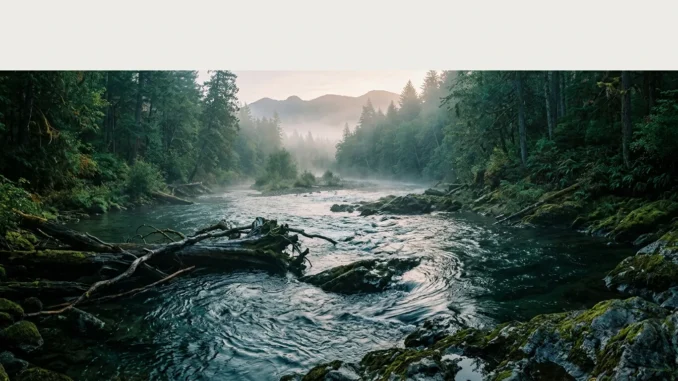
Rivers and streams are more dynamic than lakes, with current and eddies playing a key role in fish behavior. Look for areas with current seams, which are areas where the current changes direction or speed. These areas tend to attract fish, as they provide food and shelter. Eddies, which are areas of calm water behind rocks or other obstacles, can also be prime spots for finding fish.
When fishing in rivers, try to identify the fast water and slow water areas. Fast water areas, such as riffles and runs, tend to attract fish that are actively feeding, while slow water areas, such as pools and eddies, tend to attract fish that are resting or hiding.
Some other key structures to look for in rivers include rock piles, weed beds, and sunken logs. These areas can provide shelter and ambush points for fish, and can be key areas for finding fish.
Common Mistakes and Troubleshooting
One of the most common mistakes made by anglers is failing to read the water and structure. This can result in casting your line into areas where fish are unlikely to be found, reducing your chances of catching fish. To avoid this, take the time to observe the water and identify areas with structure and potential for fish.
Another common mistake is fishing too quickly, without taking the time to observe the water and identify potential fish-holding areas. This can result in spooking fish and reducing your chances of catching them. To avoid this, take your time and move slowly, observing the water and identifying areas with potential for fish.
But what would you do in this situation: you’re fishing in a lake, but not getting any bites? Honestly, I’ve been there too. Based on my experience, it’s often a matter of adjusting your approach and trying a different location or technique. Don’t be afraid to experiment and try new things – it’s all part of the learning process.
Conclusion and Next Steps
Reading water and structure is a key skill for any angler, and can greatly increase your chances of catching fish. By understanding the basics of reading water and structure, and identifying areas with potential for fish, you can take your fishing to the next level. So, what to do this weekend? Get out on the water and start observing – take the time to read the water and structure, and identify areas with potential for fish. With practice and patience, you’ll be catching fish like a pro in no time.
Let me add something here: reading water and structure is a skill that takes time and practice to develop. Don’t get discouraged if you don’t see immediate results – keep at it, and you’ll eventually start to see improvements in your fishing. And remember, the most important thing is to have fun and enjoy the experience – fishing is a hobby that’s meant to be enjoyed, so don’t get too caught up in the technical aspects.
Leave a Reply