
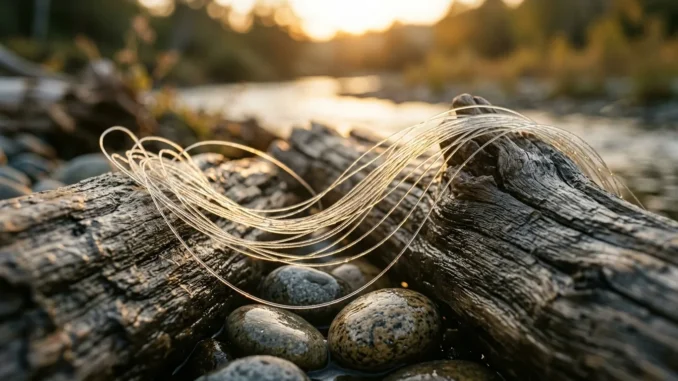
The Angler’s Arch-Nemesis: Understanding Why Tangled Lines Happen
There are few things as frustrating in fishing as a stubborn line tangle, often dubbed a “bird’s nest.” One moment you’re enjoying the tranquility of the water, the next you’re wrestling with a knot so complex it feels like it requires an engineering degree to solve. Honestly, I’ve been there more times than I care to admit, especially in my early days. I remember one particular pier trip where I spent more time picking apart a colossal mess of monofilament than actually casting, and it nearly sent me home defeated.
But what causes these maddening tangles? Most common culprits for spinning reels, which are what most beginners start with due to their ease of use, are often related to how the line comes off the spool. You’ve got line twist, which builds up over time from reeling in lures that spin or using a swivel-less setup. Then there are those dreaded “wind knots” – those surprise loops that seem to appear out of nowhere, usually when casting into a breeze or using too light of a lure for your line weight. All these factors contribute to a chaotic line management nightmare.
Understanding the root causes is the first step to conquering them. Whether it’s improper spooling of your line onto the reel, incorrect casting technique, or simply using the wrong line type for your setup, every tangle has a story. By addressing these foundational issues, we can significantly reduce the frequency of these frustrating interruptions and get you back to enjoying your time on the water.
Quick Fixes When Disaster Strikes: Untangling On The Water
So, you’ve got a tangle. Don’t panic! The absolute worst thing you can do is yank on the line, which only tightens the knots and makes the situation exponentially worse. Patience is your most powerful tool here. Take a deep breath, find a comfortable spot, and let’s get to work.
First, examine the tangle carefully. Try to identify the main loop or the point where the line seems to have created a new, unwanted knot. Often, what looks like a hopeless mess is actually just one or two key loops causing the entire problem. Gently, using your fingernail, a small pick from your tackle box, or even a toothpick, try to loosen the outermost loops. Work from the outside in, never forcing anything. Imagine you’re solving a puzzle, not untying a shoelace with brute force.
For those infamous “wind knots” on spinning reels, try this simple trick: Open your reel’s bail arm and carefully pull out enough slack line so the knot is freely accessible. Now, gently spin your spool in the opposite direction it normally rotates when reeling in. This can sometimes uncoil the twist that caused the knot. If that doesn’t work, slowly pick at the knot with a small tool, trying to isolate the original loop that formed. Sometimes, if the knot is too tight or has damaged the line, the only option is to cut it out and re-tie your tackle. It’s better to lose a few feet of line than to struggle indefinitely or risk losing a fish due to compromised line strength.
Prevention is Key: Setting Yourself Up for Tangle-Free Success
While quick fixes are essential, preventing tangles in the first place is the true mark of an experienced angler. It all starts with your gear and how you manage your line. Let me tell you, a little preparation goes a long way in ensuring smooth casts and more enjoyable fishing trips.
Proper Spooling: The Foundation of Smooth Casting
One of the biggest culprits of tangles is improperly spooled line. When you put new line on your spinning reel, make sure it’s coming off the filler spool in the same direction it’s going onto your reel spool. For spinning reels, this often means laying the filler spool flat on the ground with the label facing up, allowing the line to uncoil in the same direction it’s wrapping onto your reel. Overfilling your spool is another common mistake; leave about an eighth of an inch between the line and the edge of the spool. An overfilled spool is just begging for line to jump off during a cast, creating an instant bird’s nest.
Line Choice and Maintenance
Your choice of fishing line plays a crucial role. For beginners, a good quality monofilament line in the 6-12 lb test range is often recommended. It’s forgiving, easy to tie knots with (like the Improved Clinch Knot or Palomar Knot), and has some stretch. However, monofilament also has “memory,” meaning it retains the coil shape of the spool, which can lead to tangles if left on too long. Consider using a line conditioner spray to reduce this memory. As you advance, you might switch to braided line (10-20 lb test), which has virtually no memory and incredible strength, but can sometimes “dig in” on the spool if not spooled under proper tension, leading to its own set of issues. Regularly check your line for nicks, abrasions, or excessive twist. If you notice any, it’s time to cut out the damaged section or, better yet, respool your reel entirely.
Casting Technique & Reel Management
A smooth, controlled cast is far less likely to tangle than an aggressive, jerky one. Focus on a fluid motion, letting the rod do the work. After your cast, manually close the bail on your spinning reel instead of cranking the handle to do it. This simple habit prevents slack line from wrapping around the spool in an uncontrolled manner, which is a major cause of those frustrating loops. Always keep a slight amount of tension on your line, especially when retrieving. A slack line is a recipe for disaster, inviting tangles and missed bites.
Advanced Line Management: Beyond the Basics for Smoother Fishing
Once you’ve mastered the basics, there are a few more tricks up my sleeve that can help keep your line in tip-top shape and minimize tangles, ensuring you’re always ready for that next bite. These aren’t complicated, but they make a real difference, especially for those looking to refine their setup and technique.
Consider using a small, quality swivel between your main line and your leader, especially if you’re using lures that spin, like some inline spinners or spoons. This simple piece of terminal tackle will absorb much of the line twist before it can build up on your reel. Another great tip for braided line users is to spool a bit of monofilament backing onto your reel first (say, 50 yards of 8lb mono), then tie your braided line to it with a Uni Knot or an FG Knot. This prevents the slick braid from slipping on the arbor of the spool and also gives you a bit of cushion if a fish makes a long run.
Finally, don’t underestimate the power of regular line replacement. Monofilament should typically be replaced every 6-12 months, depending on how often you fish, as UV light and wear degrade its strength and increase its memory. Braided line lasts longer but should still be checked for fraying and can be reversed on the spool to give you a fresh-looking section. By taking these proactive steps, you’ll spend less time troubleshooting and more time enjoying the cast, the fight, and the satisfying tug of a fish.
Your Tangle-Free Weekend Awaits: What to Do Next
Now that you’re armed with the knowledge to conquer fishing line tangles, what’s stopping you? This weekend, take some time to inspect your fishing gear. Pull out your rod and reel, check your line for any signs of wear, twist, or too much memory. If your line looks tired or overfilled, consider respooling it correctly with fresh line – it’s a small investment that pays huge dividends in frustration saved.
Then, head to a local park or even your backyard and practice your casting technique. Focus on smooth, controlled motions and remember to manually close that bail arm on your spinning reel. Get comfortable with your gear before you even hit the water. By applying these practical tips from Fish Hunter, you’ll not only prevent common beginner mistakes but also significantly boost your confidence and enjoyment out on the water. Go out there and make some tangle-free memories!
Leave a Reply