
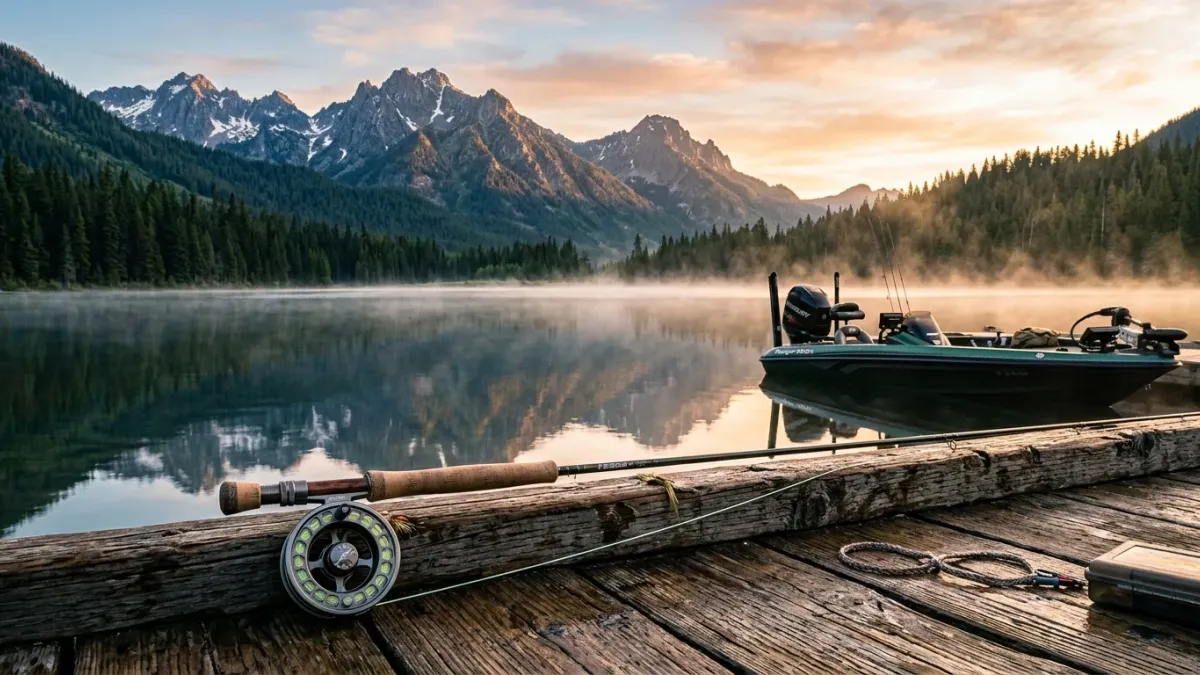
Ever felt that itch to cast a line, but then stared blankly at a map, wondering where on earth to begin? You’re not alone. The United States is an angler's paradise, a vast tapestry of lakes, rivers, and coastlines just waiting for your hook, but with so many incredible options, choosing the right spot can feel overwhelming. As your trusted fishing buddy with over two decades of real-world experience, I’ve navigated these waters myself, from bustling city piers to serene mountain streams, and I’m here to cut through the noise. My goal is to point you towards truly fantastic destinations that offer everything from peaceful relaxation to thrilling battles with trophy fish, all without needing a massive budget or overly complicated gear.
Freshwater Havens: Lakes, Rivers, and Streams for Every Angler
For many, the journey into fishing truly begins in freshwater. There's something inherently calming about the quiet lapping of water on a lake shore or the steady flow of a river. The US boasts an incredible array of inland waters, each with its unique charm and target species, offering diverse experiences for beginners and seasoned anglers alike. Forget the idea that you need a remote wilderness trip; many of these spots are surprisingly accessible.
The Mighty Great Lakes and Their Prolific Tributaries
Stretching across the northern US, the Great Lakes—Superior, Michigan, Huron, Erie, and Ontario—offer world-class fishing that can feel both expansive and intimately local. While offshore charters are popular for targeting species like salmon and lake trout, the true magic for many anglers, especially those looking for accessible action, happens in their countless tributaries. These smaller rivers and creeks, particularly during seasonal runs, become highways for migrating fish.
Imagine this situation: it's early spring, and you're standing on the banks of a creek feeding into Lake Erie, perhaps the Grand River or the Cattaraugus. You’ve got a reliable 6-7 ft medium spinning rod in hand, paired with a 2500-3000 size spinning reel – this is a versatile reel perfect for handling most freshwater species, spool with 8-10 lb monofilament line, a clear, stretchy line that’s easy for beginners to manage. You cast a small jig or a chunk of live worm, and suddenly, a powerful Steelhead hits! Steelhead are ocean-going Rainbow Trout that migrate to lakes and then back into rivers to spawn, and they are incredible fighters, famous for their acrobatic jumps and strong runs. Beyond Steelhead, these prolific waters also teem with Walleye, Smallmouth Bass, and various species of Salmon depending on the season, offering a diverse freshwater challenge.
Ozark's Bass Factories and Rocky Mountain Trout Paradises
Head south to the Ozark Mountains in Missouri and Arkansas, and you'll find what many consider some of the best Largemouth Bass and Smallmouth Bass fishing anywhere in the country. Lakes like Table Rock, Bull Shoals, and Lake of the Ozarks are legendary for their abundant bass populations and picturesque settings. Here, using soft plastics like Senkos (a stick bait designed to mimic a dying baitfish) or various crankbaits (hard-bodied lures with a lip that makes them dive when retrieved) can be incredibly effective, especially when fished around submerged structure like timber or rock piles. These lakes are perfect for a weekend trip, offering plenty of public access points and boat rentals.
For those who prefer a cooler climate and the thrill of river fishing, the Rocky Mountain states—Colorado, Montana, Wyoming—are synonymous with Trout fishing, especially fly fishing. However, you don't need a fly rod to enjoy these pristine waters. Rivers like the Madison, Yellowstone, and Arkansas offer breathtaking scenery where you can pursue Rainbow, Brown, and Cutthroat Trout. A light-action spinning rod, perhaps a 6 ft rod with a 1000-2000 size reel spooled with 4-6 lb monofilament, paired with small spinners or even tiny jigs can make for an unforgettable day. The key here is stealth and presentation in the clear mountain waters.
Salty Adventures: Coastal Fishing Hotspots for Thrilling Battles
Now, let's talk about the big blue! Saltwater fishing offers a completely different experience—the vastness of the ocean, the exhilarating smell of salt air, and often, bigger fish with stronger fights. Whether you're on the East Coast, West Coast, or down in the Gulf, there are incredible saltwater fishing spots waiting for your line. The diversity of species and techniques makes every trip a unique adventure.
Gulf Coast: Redfish, Speckled Trout, and Snapper Bonanza
The Gulf Coast, particularly the shallow bays and estuaries of Florida and Louisiana, is a phenomenal hotspot for inshore and nearshore species. Think hard-fighting Redfish, delicious Speckled Trout, and aggressive Snapper. Many anglers find incredible success fishing from piers, jetties, or small boats in these protected, nutrient-rich waters. The accessibility makes it a fantastic place for beginners to experience the pull of strong saltwater fish without needing specialized offshore gear or a big boat.
For Snapper, which often hang around structure like reefs, wrecks, and even bridge pilings, a robust setup is crucial. I recommend a medium-heavy rod, typically 7-8 ft long, paired with a 4000-5000 size spinning reel. This reel size provides ample line capacity and cranking power. Spool it with 20-30 lb braided line, which is a strong, thin line made of multiple woven fibers that offers superior sensitivity and casting distance. You’ll also want a sturdy fluorocarbon leader of similar strength (a nearly invisible line tied to the end of your main line, which provides abrasion resistance and stealth). Live shrimp or cut bait (like pieces of mullet or squid) are virtually irresistible to these aggressive feeders, ensuring a bent rod and plenty of action.
East Coast Striper Runs and West Coast Halibut Hunts
On the East Coast, from the Outer Banks of North Carolina all the way up to New England, Striped Bass are kings, especially during their migratory seasons. These powerful fish can be targeted from beaches, jetties, and boats. Anglers use everything from long surfcasting rods with heavy lures like plugs (hard plastic lures designed to imitate baitfish) to live eels. What would you do in a situation where you're casting into crashing waves at dawn, hoping for that tell-tale tug from a migrating Striper? It’s an adrenaline rush like no other, requiring patience and the right tide.
Over on the West Coast, particularly in California and Oregon, you can target delicious Halibut, various Rockfish species, and even Salmon in certain areas during their runs. Pier fishing in places like Santa Monica or Newport Beach offers fantastic, low-cost opportunities for species such as Mackerel, Perch, and even small sharks, often with just a basic bottom fishing rig and some squid or anchovy as bait. These piers are easily accessible and often have bait shops right on site, making them ideal for a spontaneous fishing adventure.
Urban Angler's Paradise: Finding Fish Close to Home
Honestly, you don't always need to travel far to find great fishing. For apartment dwellers and office workers craving that weekend outdoor escape, the best fishing spot might be closer than you think. Many cities and suburbs across the US have fantastic urban fishing spots that are often overlooked, providing convenient and relaxing opportunities to wet a line without a long drive. For a complete step-by-step guide made specifically for city and apartment-based anglers, see our urban fishing guide for apartment dwellers.
City Ponds, Parks, and Community Lakes
From Central Park in New York City to countless municipal parks in suburban communities, urban ponds and small lakes are often stocked and managed for recreational fishing. These spots are perfect for beginners, offering easy access, often paved paths, and benches. Common species you'll find include Bluegill, Crappie, various sunfish, Catfish, and often smaller Largemouth Bass. For these species, an ultralight spinning combo—a 5-6 ft light action rod with a 1000-1500 size reel spooled with 4-6 lb monofilament—is perfect. It allows you to feel even the lightest bites and makes smaller fish feel like giants. Simple bait like live worms, corn, or small jigs under a bobber can yield consistent action. Always check local regulations for specific park rules and licensing requirements.
Riverwalks and Estuaries: Overlooked Opportunities
Don't dismiss urban river stretches or brackish estuaries either. Many cities are built on rivers that hold surprising diversity. A short walk along a riverwalk could reveal opportunities for Catfish, Carp, or even Striped Bass in tidal areas. Estuaries, where fresh and saltwater mix, can be incredibly fertile, holding species like Flounder, Drum, and Speckled Trout, even within city limits. These spots are often less crowded than popular lakes and can provide a unique urban angling experience. You might be surprised at what you can catch just a stone's throw from your front door, proving that a "big catch" isn't always about size, but about the joy of the pursuit.
Gear Up for Success: Essential Tackle for Your Next Trip
Getting started shouldn't be complicated or break the bank. My philosophy is always to keep it simple, effective, and budget-friendly, especially for beginners. You don't need a boatload of gear to start catching fish; a few key items will get you on the water and building confidence.
Beginner-Friendly Combos and Line Choices
Choosing the right rod and reel combo is perhaps the most crucial first step. For beginners, a spinning reel is ideal—it's easy to use, handles a wide range of lure weights, and is forgiving with tangles. Here’s a quick guide to some versatile beginner setups:
| Type of Fishing | Recommended Rod Length/Action | Recommended Reel Size | Line Type/Strength | Target Species Examples | Budget Estimate (Combo) |
|---|---|---|---|---|---|
| General Freshwater (Lakes/Rivers) | 6-7 ft Medium Spinning | 2500-3000 | 8-12 lb Monofilament | Largemouth Bass, Walleye, Catfish, Trout | $50 - $100 |
| Ultralight Freshwater (Ponds/Panfish) | 5-6 ft Light/Ultralight Spinning | 1000-1500 | 4-6 lb Monofilament | Bluegill, Crappie, Perch, Small Trout | $40 - $80 |
| Coastal Inshore Saltwater (Piers/Estuaries) | 7-8 ft Medium-Heavy Spinning | 4000-5000 | 15-30 lb Braided (with leader) | Redfish, Speckled Trout, Snapper, Flounder | $80 - $150 |
For line, monofilament line is a single strand of nylon, known for its stretch, affordability, and ease of tying knots—perfect for beginners. Braided line, as mentioned, is made of multiple woven fibers; it’s stronger for its diameter, has no stretch (great for sensitivity), and casts farther, but can be a bit trickier to manage for new anglers, often requiring a fluorocarbon leader for stealth and abrasion resistance. Start with mono, and consider braided as you gain experience.
Must-Have Baits, Lures, and Basic Tackle
Beyond your rod and reel, a few basic items will cover most of your fishing needs. You don't need a huge tackle box filled with hundreds of lures; a small selection of proven performers is far more effective. For live bait, you can't go wrong with live worms for freshwater bass, trout, and panfish, or live shrimp and cut bait for saltwater species. When it comes to lures, a few versatile options will serve you well. Soft plastics like Senkos or curly-tail grubs are excellent for bass and other freshwater species. Small inline spinners work wonders for trout and panfish. For saltwater, a few jig heads paired with soft plastic paddletails, or a couple of spoons, will get you started. If you're targeting fish that feed on the surface, consider a topwater lure, which is designed to float and create commotion on the water's surface to attract strikes.
Here's a quick checklist of essential tackle to get you started:
- Assorted hooks (sizes 4, 2, 1 for freshwater; 1/0, 2/0, 3/0 for saltwater)
- Assorted sinkers (split shot, egg sinkers)
- Bobbers (slip bobbers are versatile)
- Swivels (snap swivels for quick lure changes)
- Needle-nose pliers (for hook removal and crimping)
- Line clippers or small scissors
- Measuring tape (to check fish against regulations)
- Small tackle box or bag
- Sunscreen, hat, polarized sunglasses, and plenty of water!
Essential Knots to Master
You don't need to know a dozen knots, but mastering a couple will give you confidence. For connecting your line to hooks or lures, the Improved Clinch Knot is a fantastic, strong, and easy-to-learn knot for beginners. For tying on swivels or leaders, the Palomar Knot is incredibly reliable and strong. As you advance, the Uni Knot is another versatile option that can be used for various connections, including tying leader to main line. Practice these at home, perhaps while watching a video, and they'll become second nature.
Sustainable Angling: Protecting Our Waters for Future Generations
As anglers, we're stewards of our natural resources. Enjoying the thrill of the catch comes with the responsibility of ensuring these amazing fishing opportunities exist for years to come. Practicing sustainable fishing isn't just a good idea; it's essential for the health of our fisheries.
Practicing Catch and Release
One of the easiest ways to ensure future fishing is to practice catch and release, especially for larger breeding-size fish. When releasing fish, handle them gently with wet hands, support their body, and minimize their time out of the water. Consider using barbless hooks (hooks with no barb, or crimped barbs) as they make hook removal quicker and less damaging to the fish. If a fish is deeply hooked, it’s often best to cut the line as close to the hook as possible rather than trying to rip the hook out, which can cause internal damage. Always revive a tired fish by holding it in the water, facing the current, until it can swim away strongly on its own.
Respecting Regulations and Habitats
Every state and often specific bodies of water have regulations regarding fishing licenses, size limits, and bag limits for various species. Always check these rules before you go fishing; ignorance is no excuse. These regulations are in place to protect fish populations and ensure healthy ecosystems. Beyond regulations, practice "leave no trace" principles: take all your trash with you, avoid disturbing wildlife, and never leave fishing line or tackle behind, as it can harm animals. By respecting our waters and the life within them, we contribute to a healthier environment and more enjoyable fishing for everyone.
What to Do This Weekend: Your Next Big Catch Awaits!
Feeling inspired? Good! Here’s your actionable takeaway: this weekend, don't overthink it. Grab a simple spinning rod and reel combo, a pack of worms, and check your local park's website for fishing regulations. Find a nearby pond, lake, or accessible river stretch. Cast a line, breathe in the fresh air, and just enjoy the process. You might be surprised at what you catch, and more importantly, how much you enjoy the peaceful escape. The biggest catch isn't always about size; sometimes, it's about the joy of the pursuit and the memories made. Tight lines, my friend!