Introduction to Upgrading Your Fishing Setup
As an avid angler, you're probably no stranger to the thrill of reeling in a big catch. But what would you do if you found yourself faced with a fish that's just too powerful for your current setup? Upgrading your fishing gear can make all the difference between landing a monster fish and watching it swim away. For example, imagine this situation: you're out on the lake, and you feel a strong tug on the line. You're excited, thinking you might have finally caught the big one, but as you start reeling it in, you realize your line is about to snap. That's when you wish you had a stronger line and a more reliable reel.
Based on my experience, I believe that having the right gear is essential for a successful fishing trip. In this article, we'll explore the key components of a fishing setup and how to upgrade them for bigger fish and new challenges.
Honestly, upgrading your fishing setup can be a bit overwhelming, especially with all the options available on the market. But don't worry, we'll break it down into simple, easy-to-follow steps. So far, we've covered the importance of having the right gear. Now let's get to the really critical point: choosing the right rod and reel for your needs.
Choosing the Right Rod and Reel
Understanding Rod Types
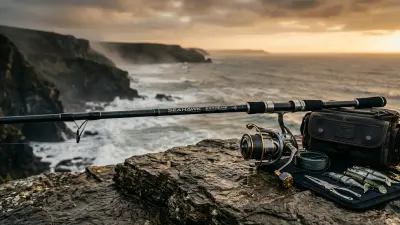
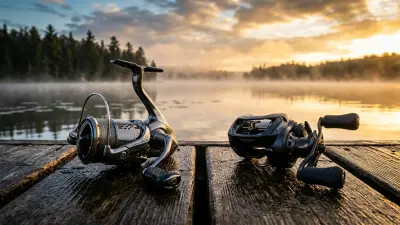
When it comes to fishing rods, there are several types to choose from, including spinning rods, baitcasting rods, and fly rods. Each type has its own unique characteristics and is suited for specific types of fishing. For beginners, a spinning rod is usually the best choice. It's easy to use and can handle a variety of fishing situations.
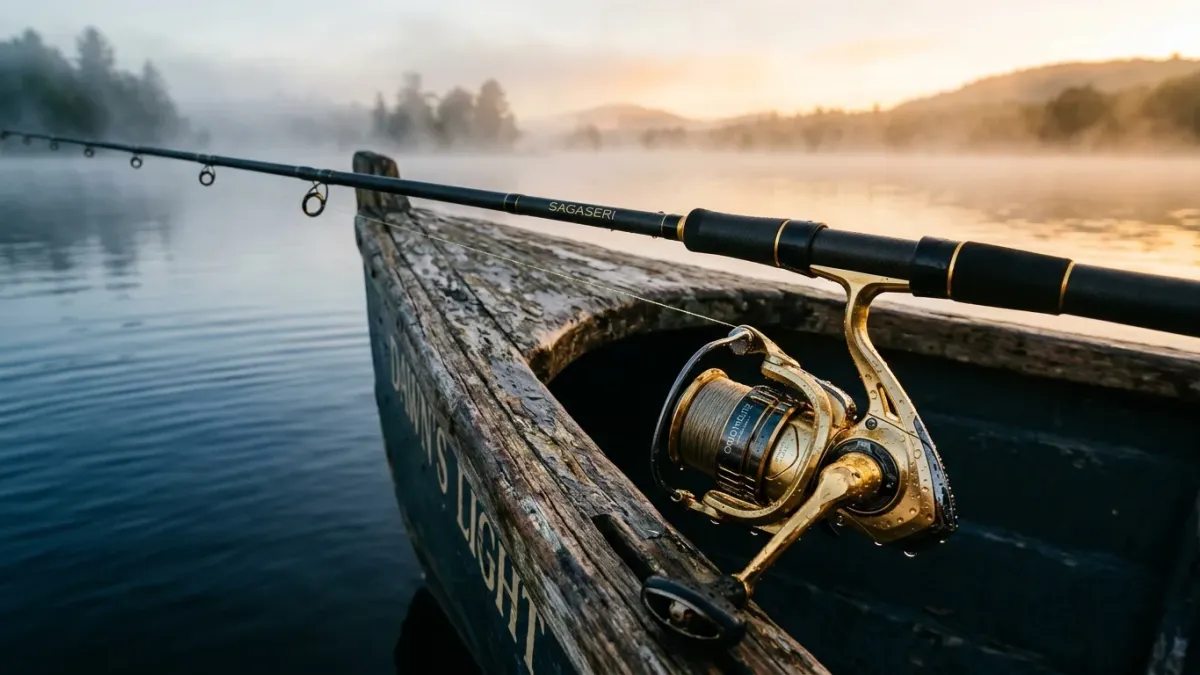
A good starting point for beginners is a 6-7 ft medium spinning rod paired with a 2500-3000 size reel. This setup is versatile and can handle most types of fish. However, if you're targeting bigger fish, you may need to upgrade to a heavier action rod and a larger reel.
Let me add something here: when choosing a rod, it's essential to consider the line weight and lure weight it can handle. A rod that's too light may not be able to handle heavy lures or strong fish, while a rod that's too heavy may be too stiff for smaller fish.

Upgrading Your Line and Lures
Understanding Line Types
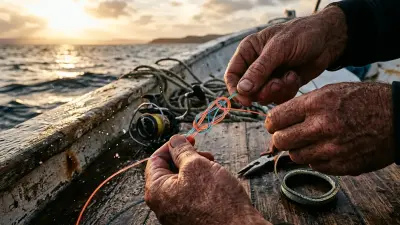
When it comes to fishing lines, there are several types to choose from, including monofilament, fluorocarbon, and braided lines. Each type has its own unique characteristics and is suited for specific types of fishing. For beginners, a 6-12 lb monofilament line is usually the best choice. It's easy to use and can handle most types of fish.
However, if you're targeting bigger fish, you may need to upgrade to a heavier line, such as a 10-20 lb braided line. Braided lines are stronger and more durable than monofilament lines and can handle heavy fish and rough fishing conditions.
But what would you do in this situation: you're fishing in a lake with a lot of vegetation, and you need a line that can handle the rough conditions? That's when a fluorocarbon line comes in handy. Fluorocarbon lines are nearly invisible underwater and can handle rough fishing conditions.
Tips and Tricks for Upgrading Your Setup
Common Mistakes to Avoid
When upgrading your fishing setup, there are several common mistakes to avoid. One of the most common mistakes is not matching your line to your rod. If your line is too heavy for your rod, it can cause the rod to break or become damaged.
Another common mistake is not using the right type of lure for the type of fish you're targeting. For example, if you're targeting bass, you'll want to use a lure that imitates a baitfish, such as a crankbait or a spinnerbait.
To be fair, upgrading your fishing setup can be a bit trial-and-error. You may need to try out different rods, reels, and lures to find what works best for you. But with a little patience and practice, you can develop a setup that will help you catch more fish and have a more enjoyable fishing experience.
Conclusion and Final Tips
In conclusion, upgrading your fishing setup can make all the difference between landing a big catch and watching it swim away. By choosing the right rod and reel, upgrading your line and lures, and avoiding common mistakes, you can develop a setup that will help you catch more fish and have a more enjoyable fishing experience.
So, what to do this weekend? Why not try out a new rod and reel combination, or experiment with different types of lines and lures? Remember to always follow sustainable fishing practices, such as catch and release and respecting size limits, to help conserve fish populations for future generations.
Based on my experience, I believe that fishing is not just about catching fish, but about enjoying the outdoors and having a good time. With the right gear and a little practice, you can become a skilled angler and enjoy the many rewards that fishing has to offer. So, get out there and start fishing!